MyCAP

From prototype to MVP. Building a scalable investment app

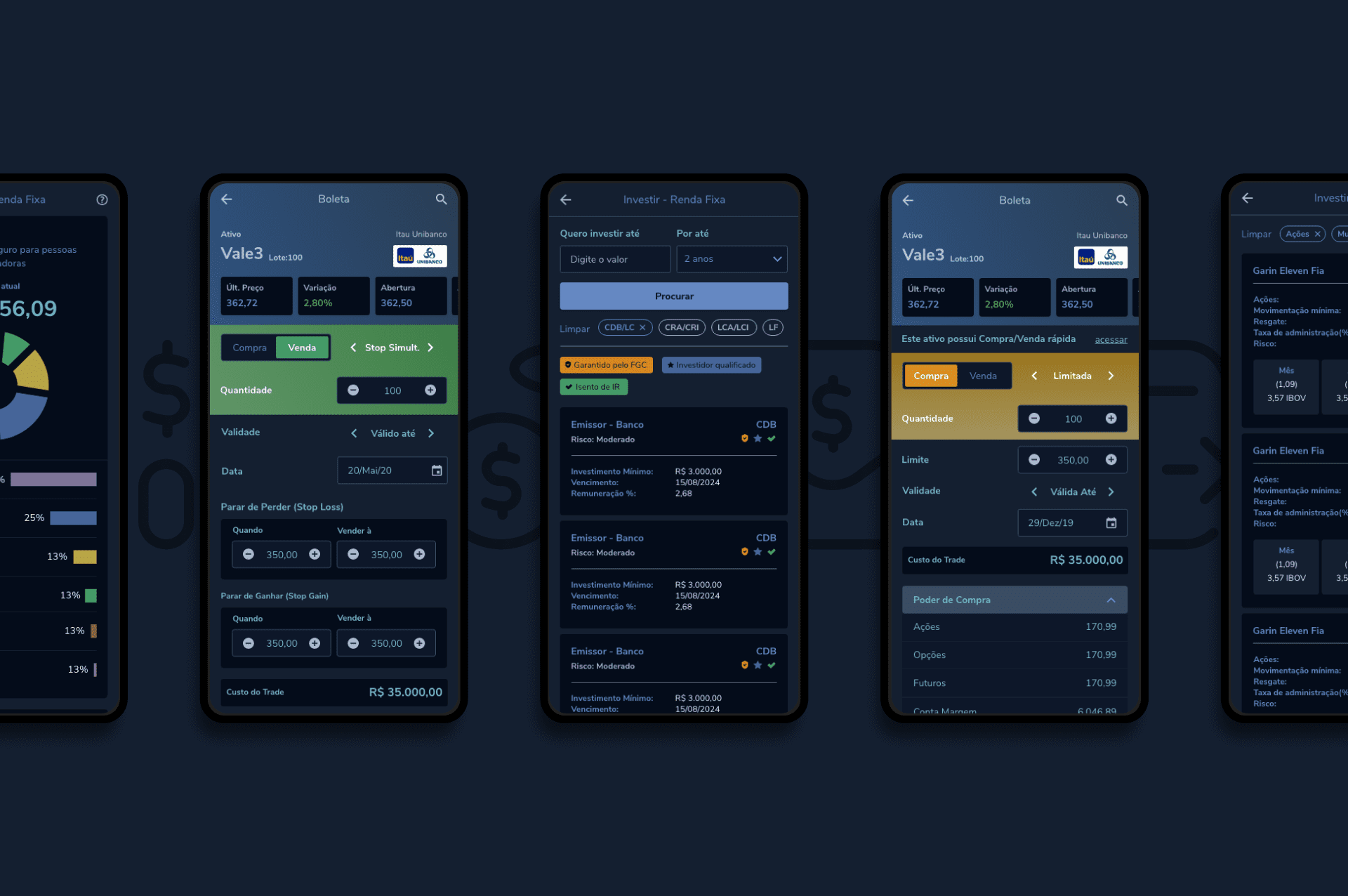
I enabled the launch of a scalable MVP by turning a static prototype into a structured mobile experience, with a defined digital identity, clear flows, and documentation prepared for continuous evolution.

Context and Challenge

Business Goals and Product Challenges

MyCAP aimed to launch its first mobile app to expand access to the financial market.

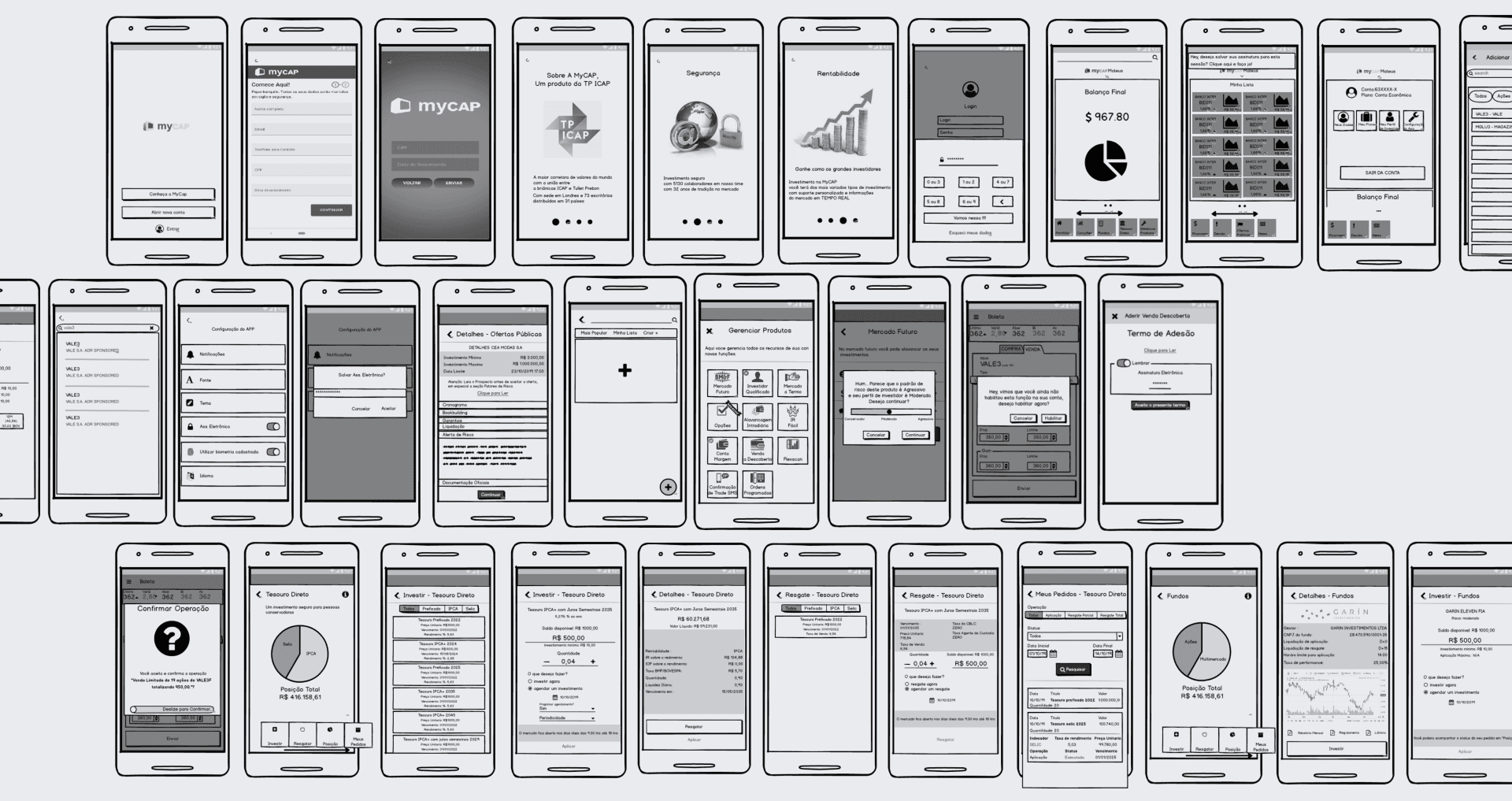
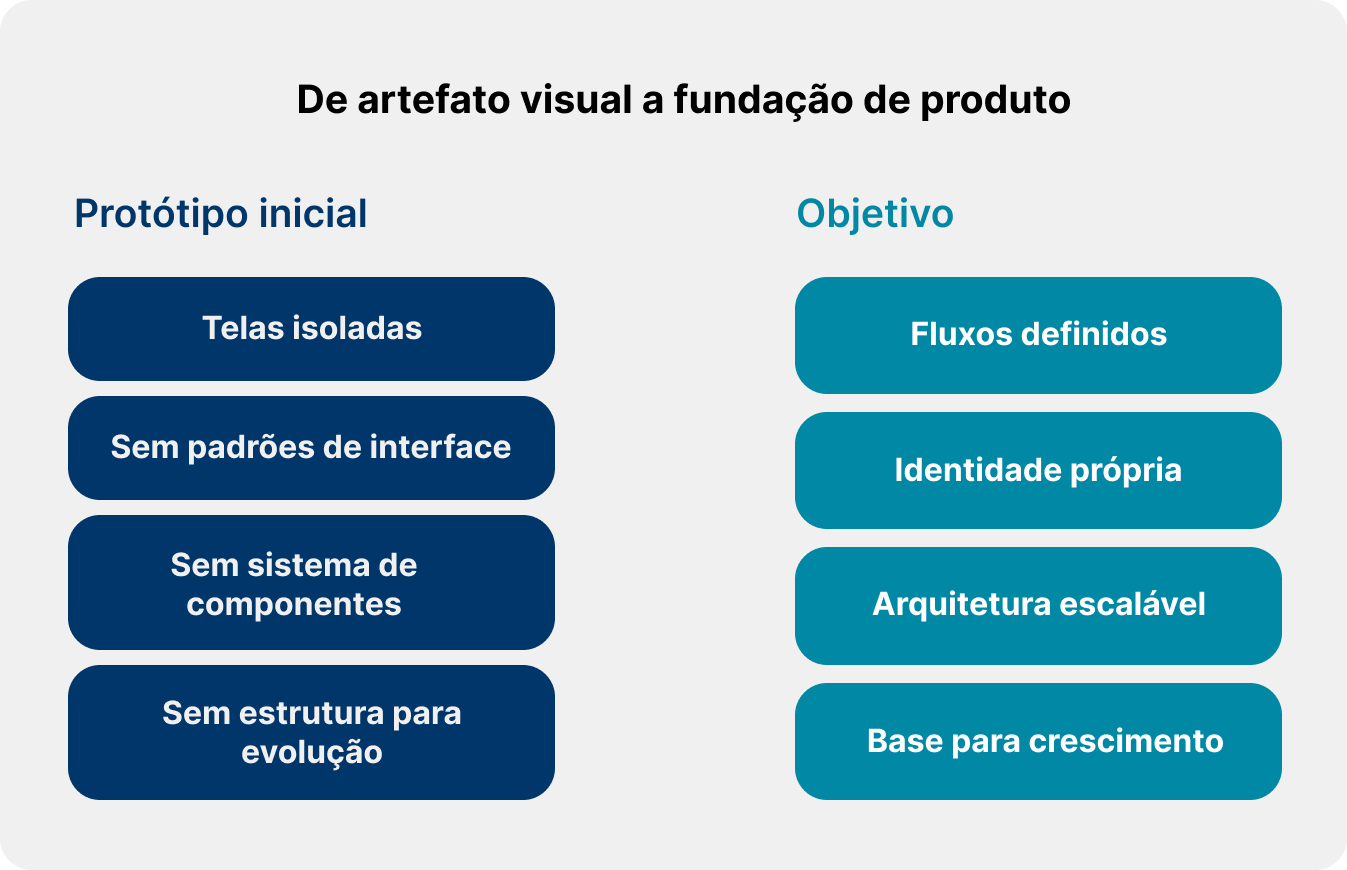
The starting point was a low fidelity PDF prototype, with no defined visual identity, interface patterns, or growth ready structure.

The challenge went beyond creating screens. It required structuring a viable digital product while balancing:

  • MVP time to market
  • Interface architecture prepared for evolution
  • Engineering team autonomy
  • Visual differentiation in a traditional financial market
From PDF to product
Excerpt from the original PDF prototype

Key Insights

Discovery, Research, and Synthesis

An initial audit of the prototype revealed a critical point:

“The biggest risk was not the initial MVP experience, but the lack of standards that would compromise post launch evolution.”

Without structural decisions from the start, each new feature would increase rework and dependency.

Hidden MVP risk

Strategic Decision

Product Strategy and Solution Prioritization

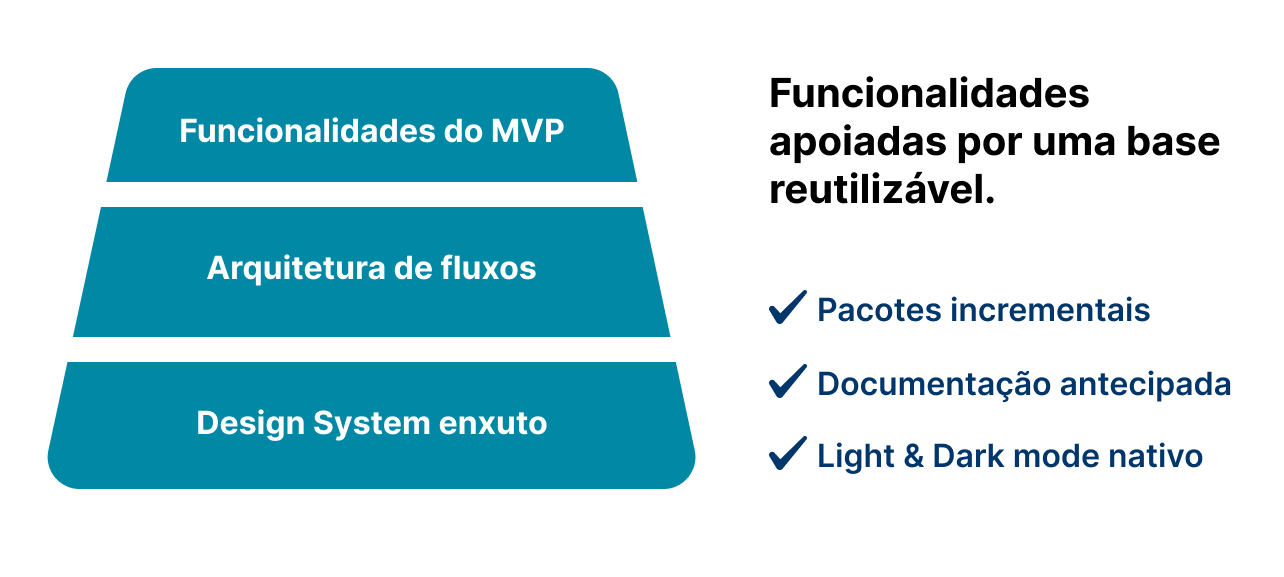
The decision was to treat the MVP as the product foundation, not as a temporary delivery.

The strategy defined:

  • Incremental deliveries organized by functional packages
  • Early creation of a lean, scalable Design System
  • Execution focused technical documentation to support engineering autonomy
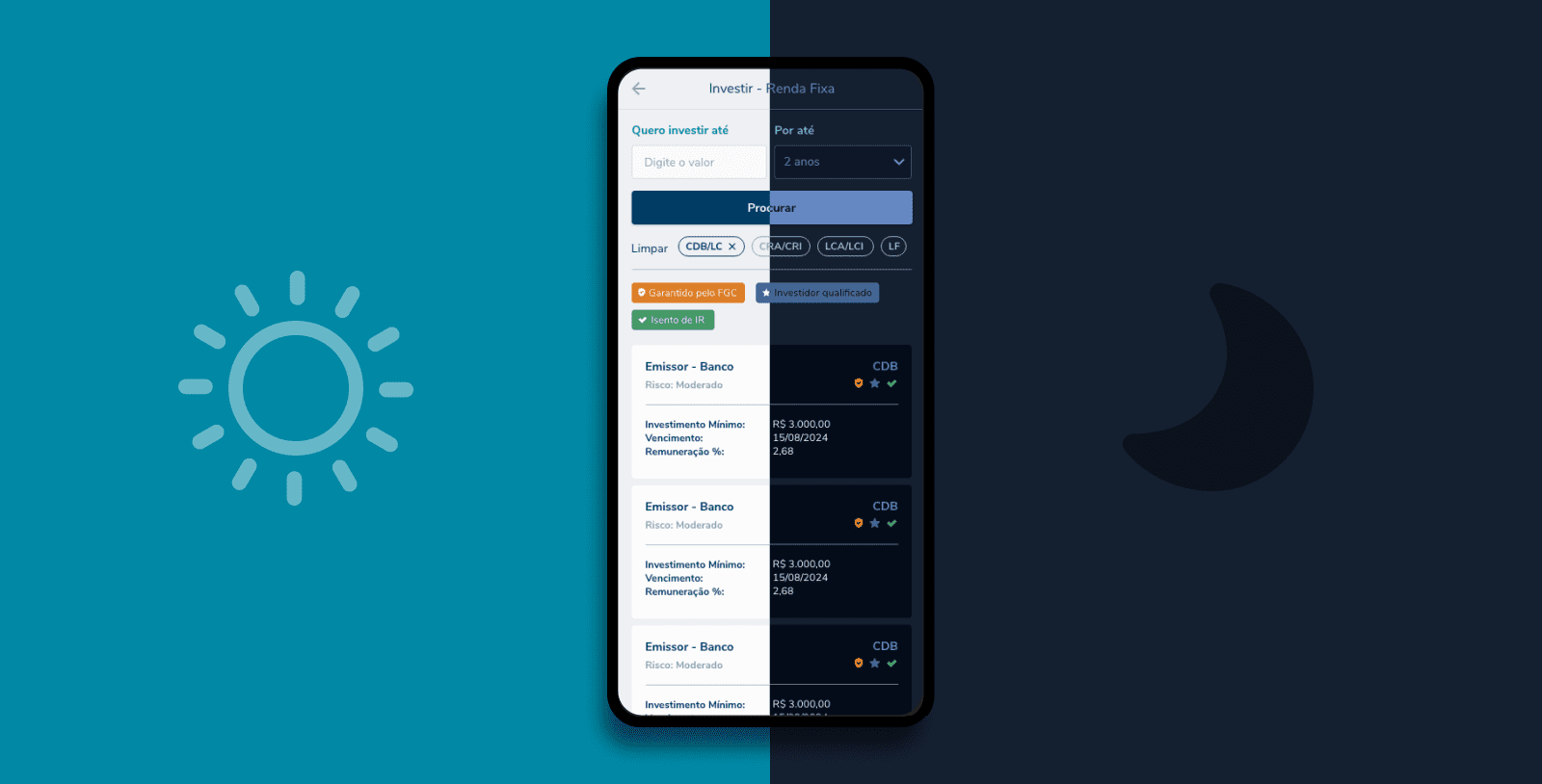
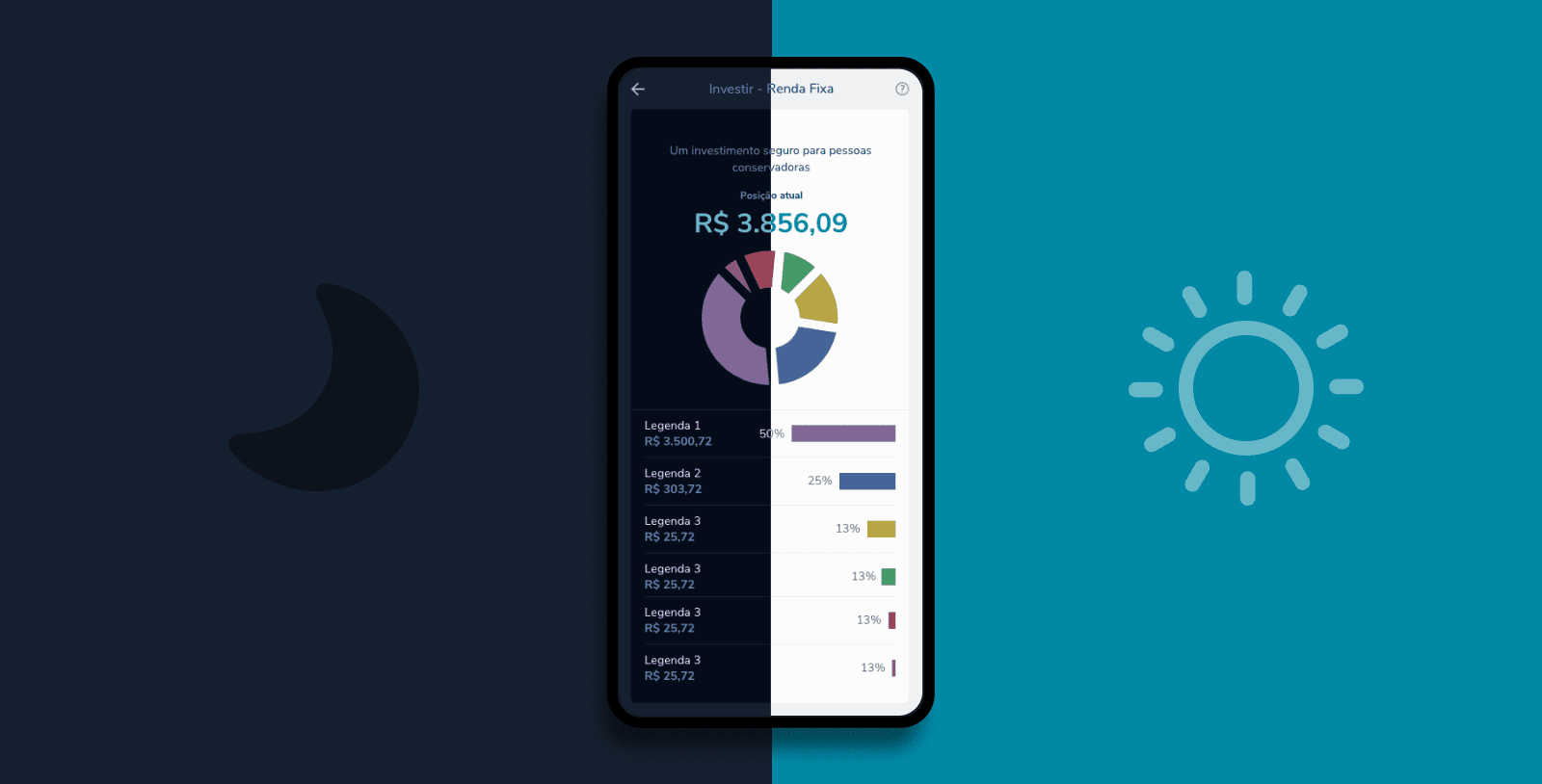
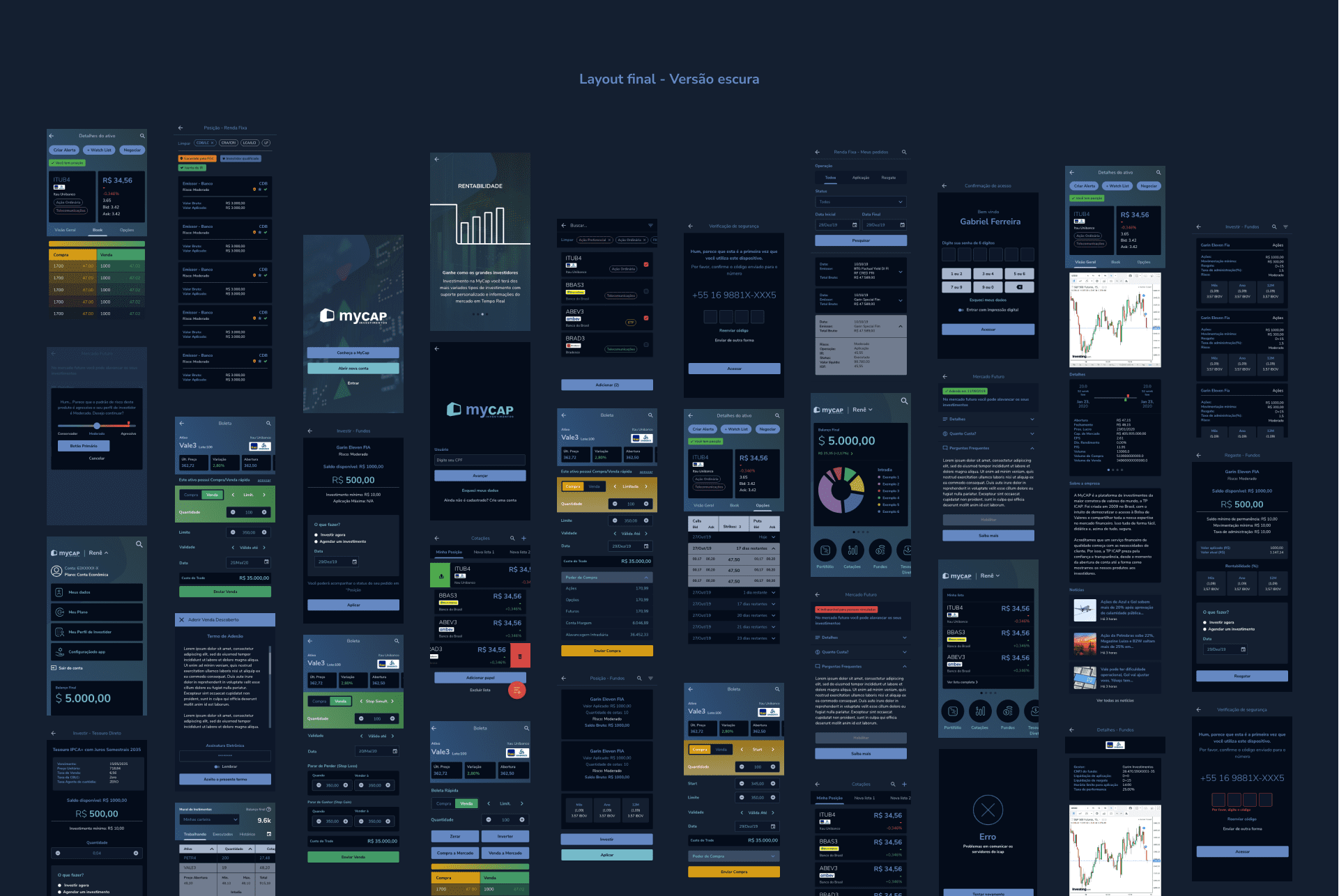
  • A proprietary visual identity with native support for light and dark mode

Alternatives focused only on accelerating the MVP appearance were discarded due to long term maintenance and evolution risks.

MVP as foundation

Execution & Design

Solution Execution and Experience Design

Execution included:

  • Full review of existing flows, fixing inconsistencies and gaps
  • Definition of screen architecture with a focus on scalability
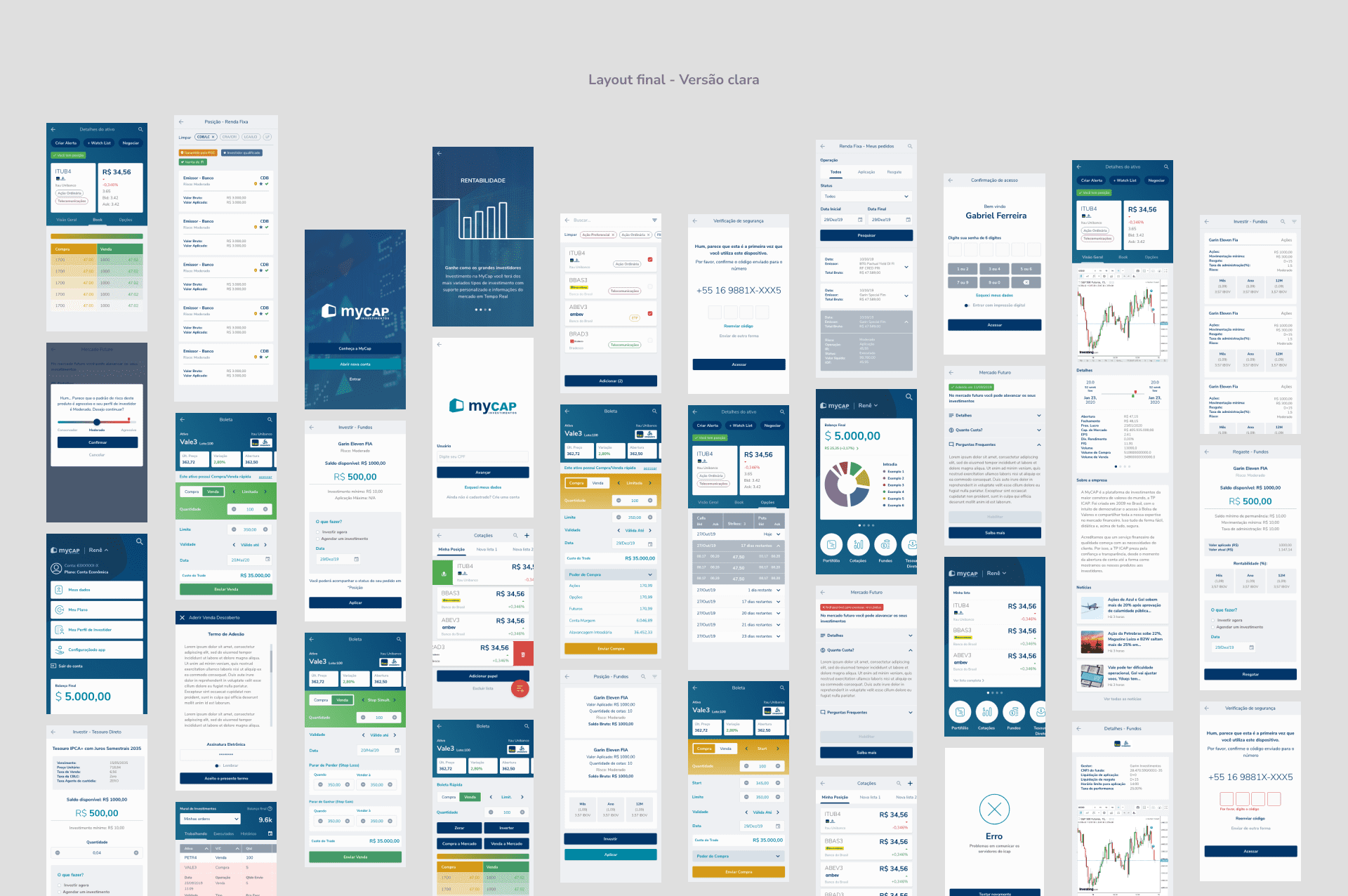
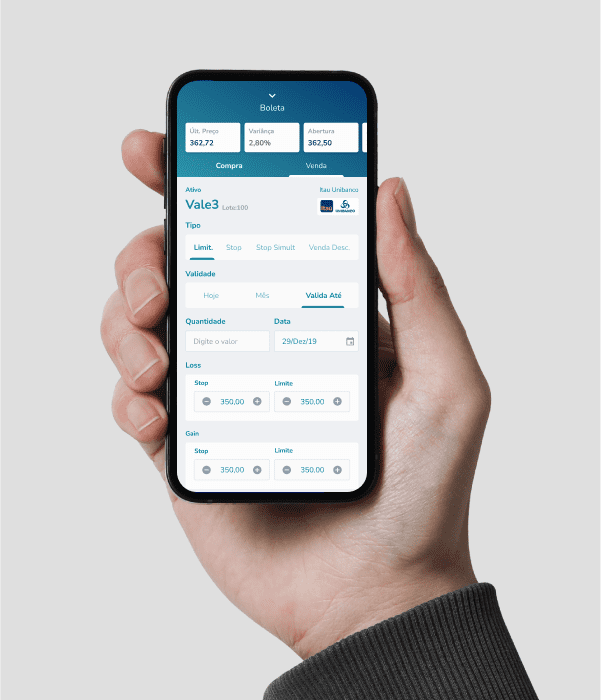
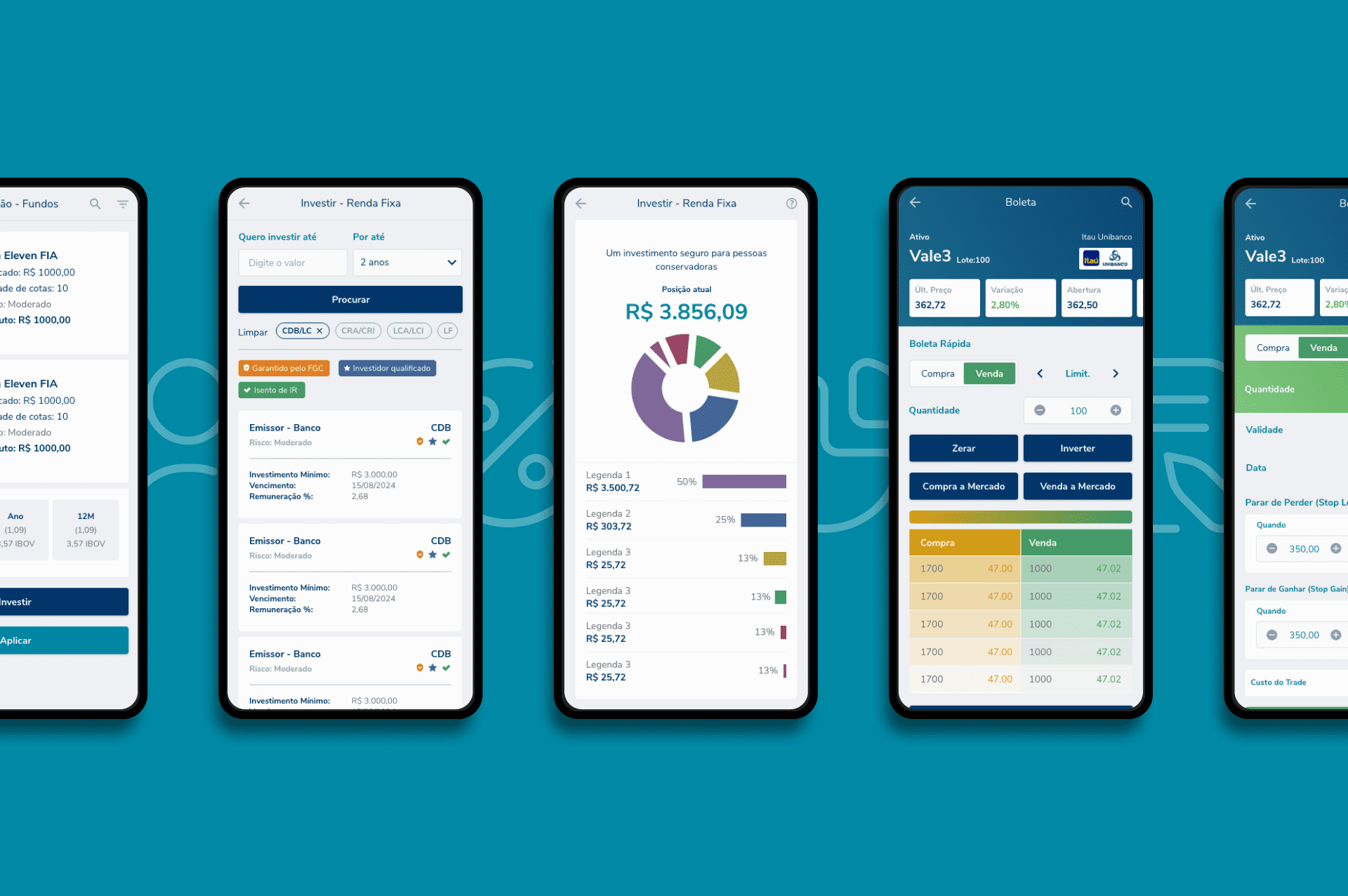
  • High fidelity layouts for all MVP features
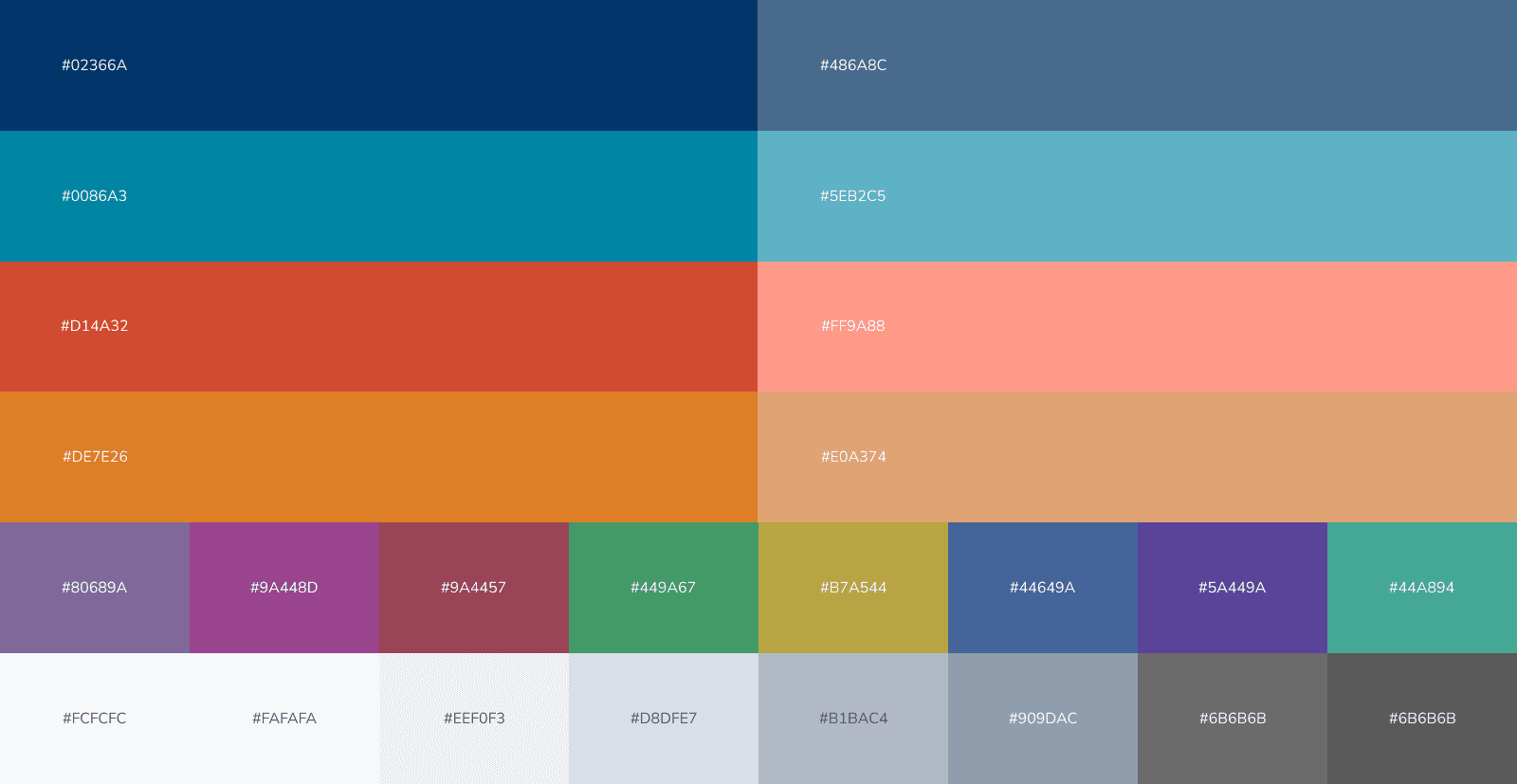
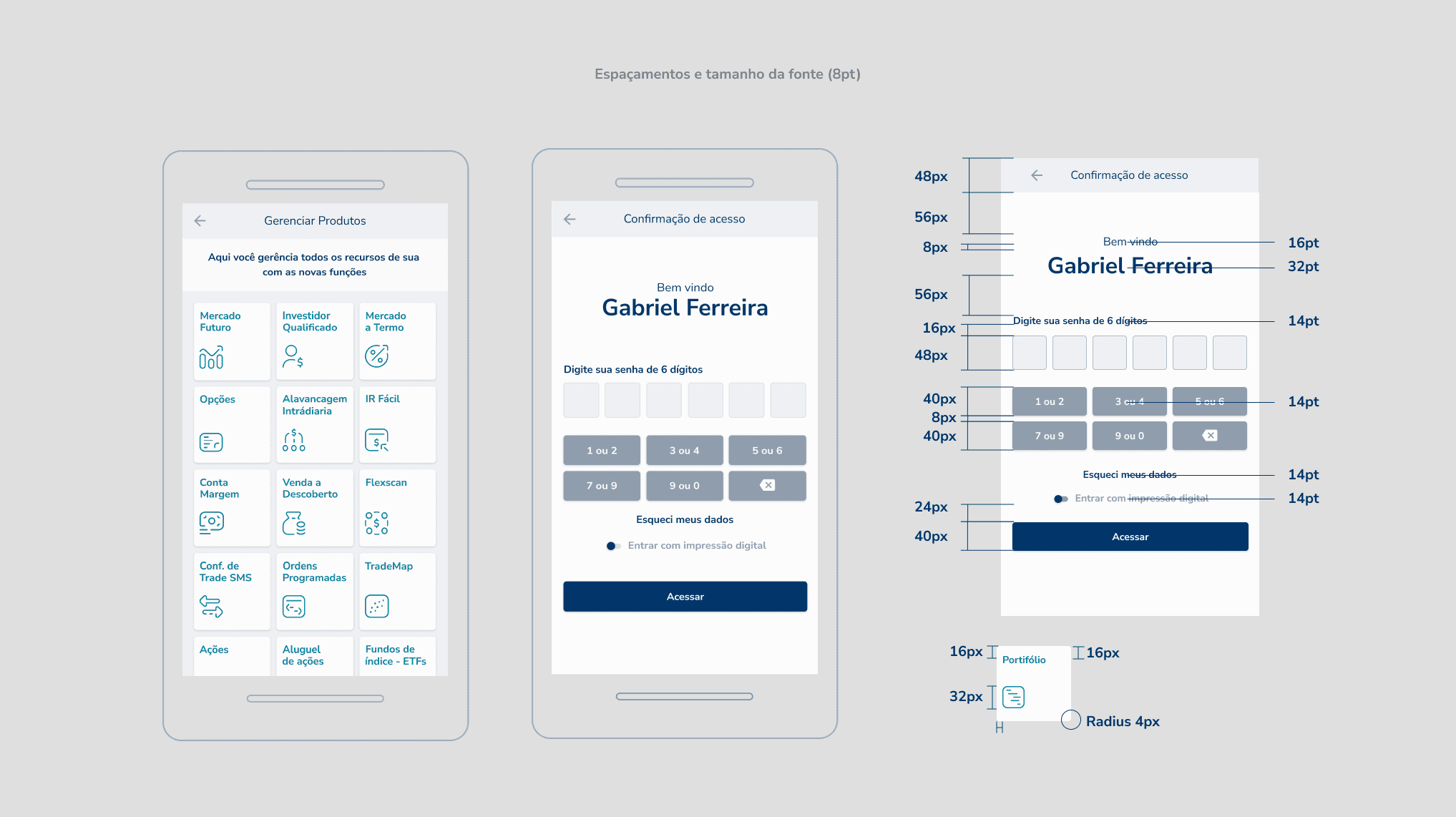
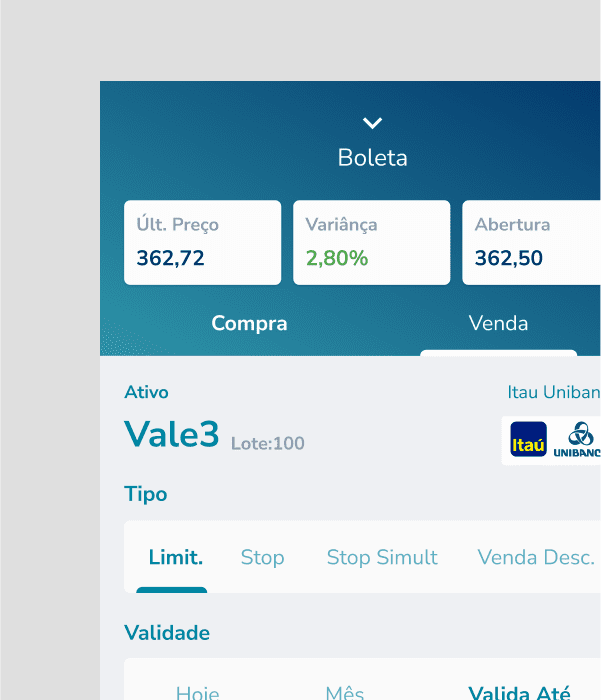
  • Development of a style guide with reusable components, grids, and typographic hierarchy
  • Continuous alignment with product and an external development team

All work was structured to reduce dependency, rework, and ambiguity during implementation.

Typography

Colors

Icons

Dark and Light Versions

Dark and Light Versions

Sizing and Spacing Guidelines per Screen for Technical Documentation

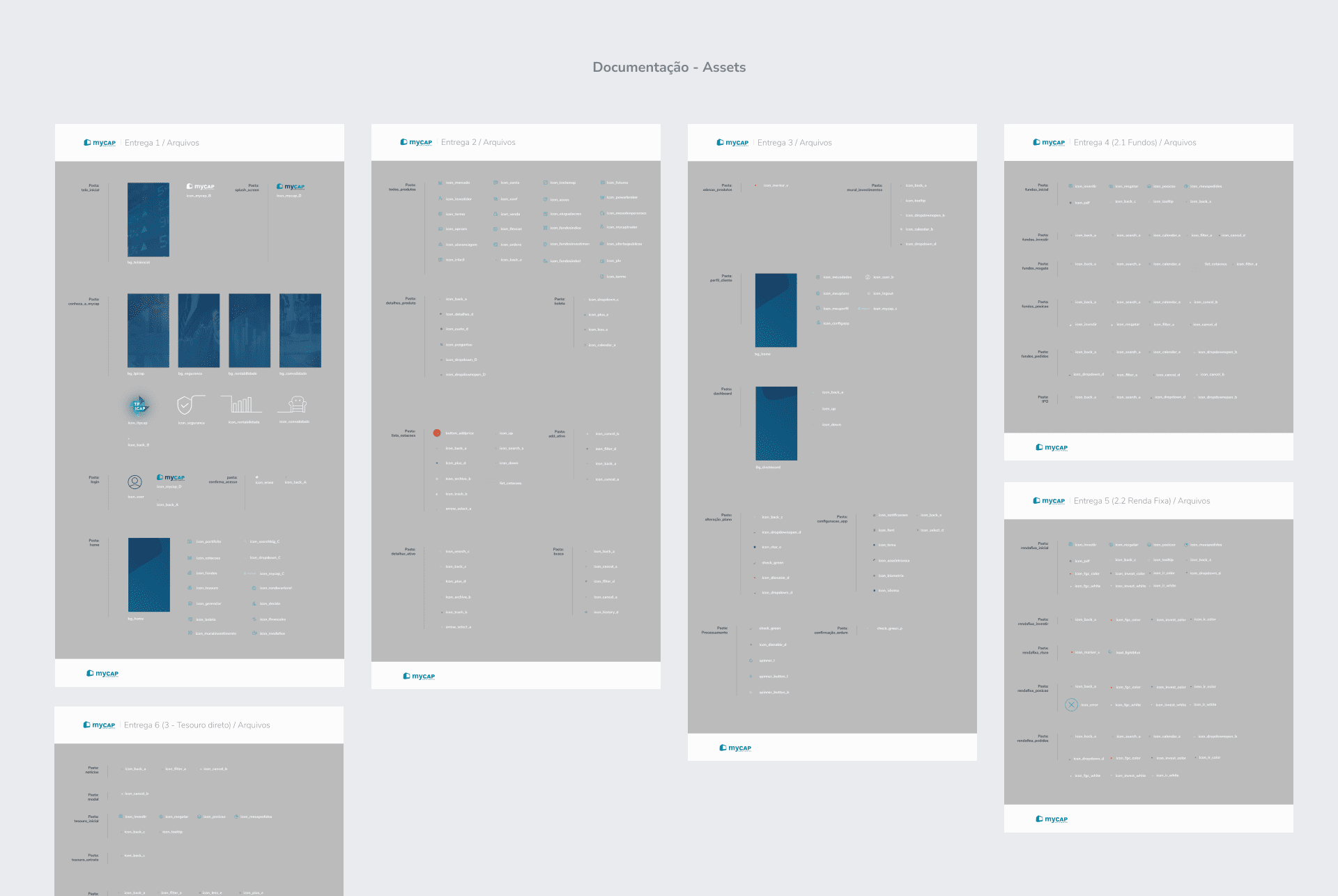
Documentation – Assets

Documentation – Task-Based Flows and Color Usage

User Validation

Data-Informed Iteration

Deliverables were validated incrementally through:

  • Reviews by functional package to support approval and prioritization
  • Fast adjustments based on technical and product feedback
  • Visual and functional validation before final documentation

The technical documentation exceeded 200 organized screens, ensuring implementation clarity and a strong base for future evolution.

Strategic Reflection

Impact and Learnings

The product structure began to support continuous evolution without creating bottlenecks.

Earnings

Structured a functional MVP from an initial prototype with no scalability foundation
Clearly defined critical flows of the investment journey
Strong alignment between design, technology, and product goals
Solid foundation for product evolution in a regulated financial context

The project reinforced a guiding principle:

Decisions made at the MVP stage determine the speed or blockage of product evolution.

By structuring identity, patterns, and documentation from the start, the product launched quickly without creating structural debt.

This experience deepened my work in digital financial products, balancing early delivery with long term technical sustainability.

Other works

I’m committed to delivering customized design solutions for each client.

ricardooliveira design @outlook.com